
I had to stop looking sideways
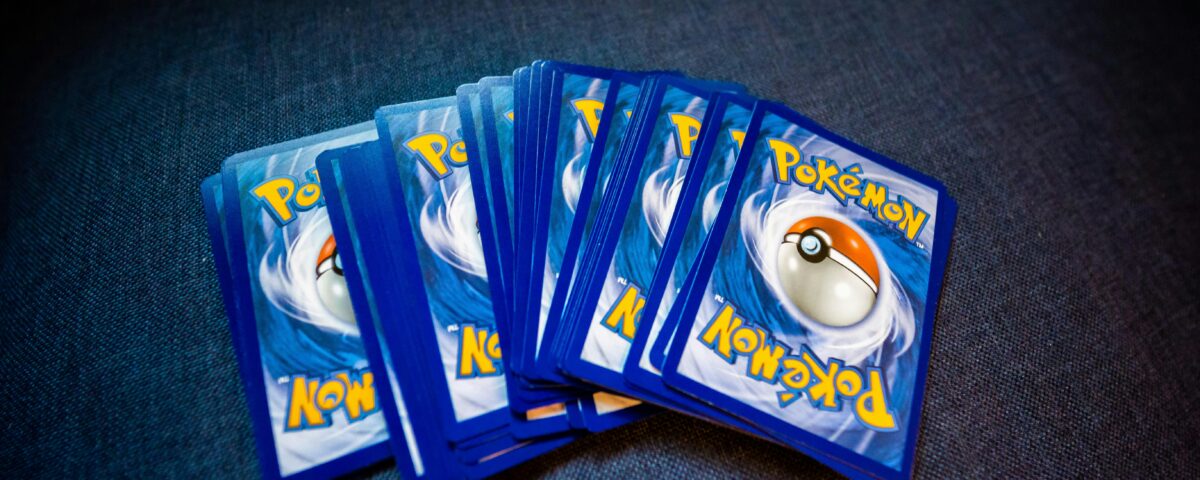
A friend recently got me into Pokémon cards, and last week I walked into a trading card store for the first time. Something immediately felt off.
On the same shelf, packs of cards sat next to each other, one for $10 and another for $600. Same cardboard, same plastic wrapping, wildly different numbers on the price tag.
I stood there for a minute just trying to make sense of it, and that’s when the gears started turning. What exactly is being priced here? Because it clearly isn’t the material. So what determines Pokémon card value, or any value, for that matter?
It turns out value isn’t a property of the object, it’s a social agreement. A dollar bill is cotton and linen worth fractions of a cent to produce, a diamond is compressed carbon, and a Pokémon card is cardboard with ink on it. The material is almost irrelevant. What matters is perceived value, whether enough people have agreed, simultaneously, that this thing means something.
I saw this up close during my years at eBay, where the most obscure and seemingly insignificant objects, a discontinued car part, a regional cereal box from 1987, a prop from a forgotten TV show, would sell for amounts that seemed to defy logic. Except it wasn’t illogical at all. Somewhere in the world, one person was looking for exactly that thing, and when supply meets that kind of specific, personal meaning, value appears almost out of nowhere.
Which makes you wonder how many things in your own life you’ve already written off. The item you donated, the skill you stopped developing, the idea you abandoned because nobody around you seemed interested. Value doesn’t disappear just because the right person hasn’t shown up yet.
That’s the part that stays with me. Value isn’t intrinsic, it isn’t even purely subjective, it’s relational. It lives in the space between the object and the person who needs it.
The cardboard is worthless, until it isn’t.